Exploring the Future: How AR Filters are Changing Marketing Campaigns


Introduction to Augmented Reality in Marketing
The marketing landscape is rapidly evolving, and one of the most exciting developments is the integration of augmented reality (AR) filters in campaigns. As digital engagement becomes increasingly crucial, AR offers a unique way to enhance customer interaction. These filters are not just about fun and games—they're transforming how brands connect with their audiences.
Augmented reality filters overlay digital content onto the real world, offering an immersive experience that can captivate users. This technology is opening up new avenues for creativity and engagement, allowing brands to stand out in a crowded digital marketplace.
Enhancing Customer Engagement
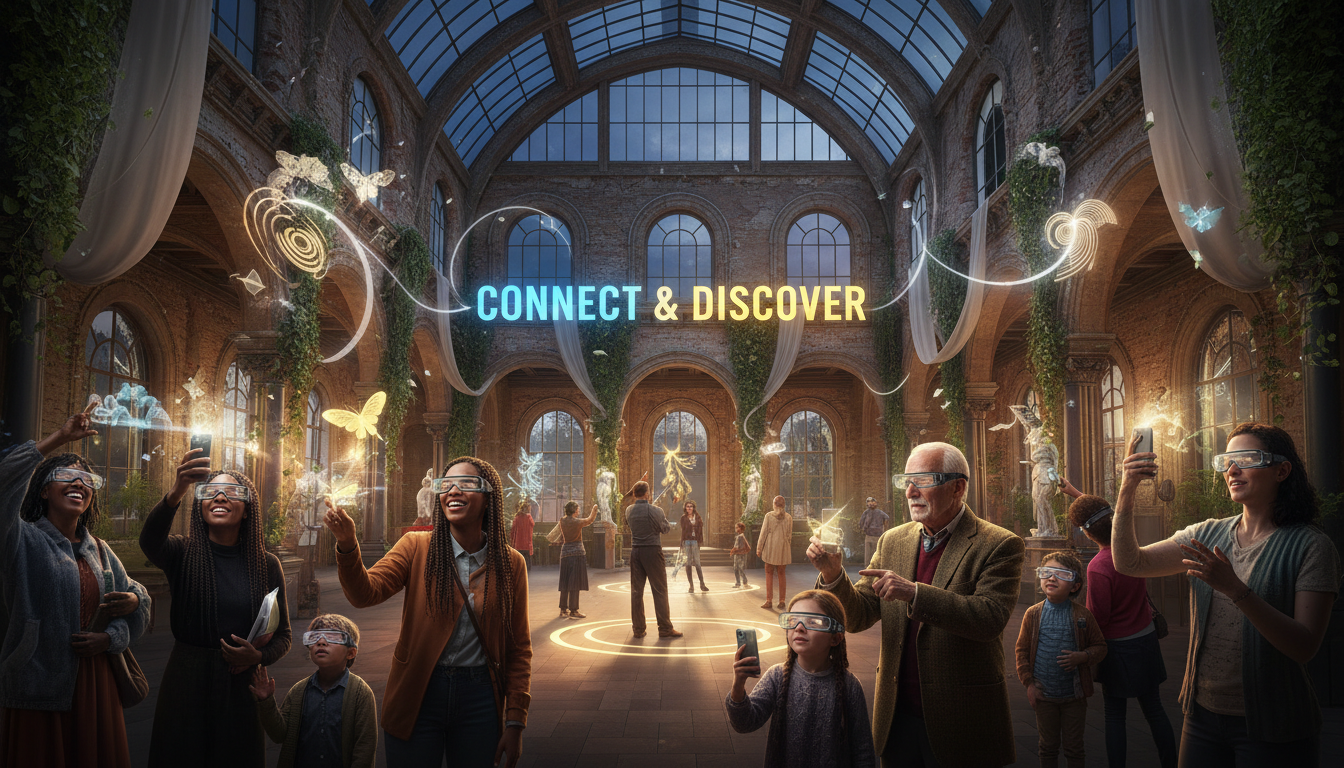
AR filters provide an engaging way for customers to interact with brands. By integrating AR into marketing campaigns, businesses can create memorable experiences that encourage users to share content with their networks. This not only increases brand visibility but also fosters a deeper connection with the audience.
For instance, beauty brands often use AR filters to allow customers to try on makeup virtually. This interactive experience can significantly influence purchasing decisions, as customers can see how products look on them before buying.
Boosting Social Media Presence
Social media platforms like Instagram and Snapchat are at the forefront of AR filter usage. Brands can leverage these platforms to reach a wider audience by creating filters that users can apply to their photos and videos. This approach not only enhances visibility but also encourages user-generated content, which can be a powerful marketing tool.

Driving Innovation in Advertising
AR filters are not just limited to customer engagement; they are also driving innovation in advertising strategies. By incorporating AR into ads, brands can create interactive and personalized experiences that resonate more deeply with their target audience. This can lead to higher conversion rates and a stronger ROI.
One innovative approach is the use of AR filters in product demonstrations. Customers can visualize products in their own environment, which can be particularly effective for items like furniture or home decor.
Challenges and Considerations
While AR filters offer exciting opportunities, there are challenges to consider. Developing high-quality AR experiences requires technical expertise and can be resource-intensive. Brands must also ensure that these experiences are accessible across different devices and platforms to reach the broadest audience possible.

The Future of AR in Marketing
As AR technology continues to evolve, its role in marketing will likely expand. Future developments may include more sophisticated filters that incorporate AI, offering even more personalized and interactive experiences. Brands that embrace these innovations will be well-positioned to capture the attention of tech-savvy consumers.
In conclusion, AR filters are transforming marketing campaigns by offering novel ways to engage customers. By leveraging this technology, brands can create memorable experiences that not only boost their visibility but also build stronger connections with their audience.