Exploring the Impact of AR Filters on Brand Engagement


Introduction to Augmented Reality Filters
In the digital age, brands are constantly seeking innovative ways to engage with their audiences. One such method that has gained immense popularity is the use of Augmented Reality (AR) filters. These interactive overlays, often used on platforms like Instagram and Snapchat, allow users to alter their appearance or environment in creative ways, offering a unique medium for brands to connect with consumers.
AR filters have transformed the way brands communicate, offering an immersive experience that traditional advertising methods cannot match. By integrating these filters into their marketing strategies, brands can significantly enhance user engagement and brand recall.
How AR Filters Enhance Brand Engagement
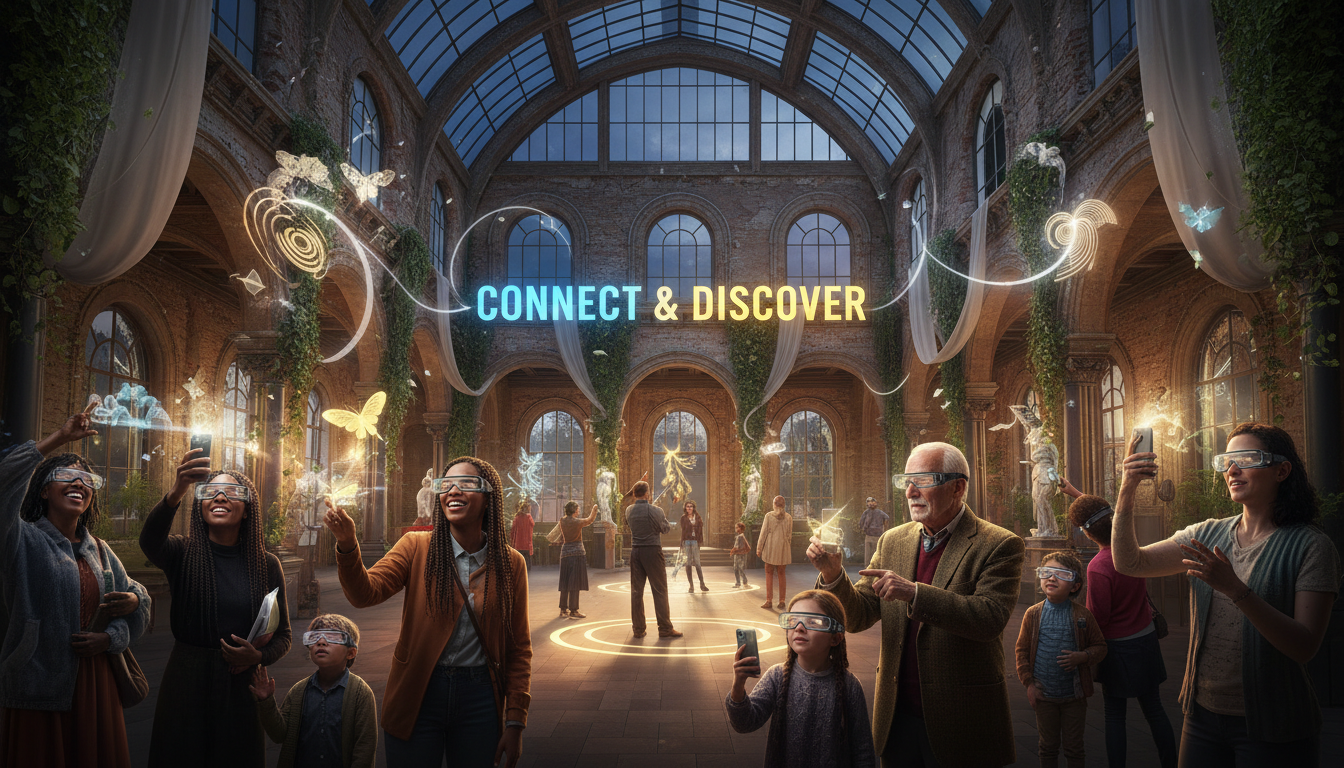
AR filters offer a dynamic and engaging way for brands to interact with their audience. They can effectively capture user attention by providing a playful and interactive experience. This interaction not only increases the time users spend with the brand but also strengthens the emotional connection between the brand and its audience.
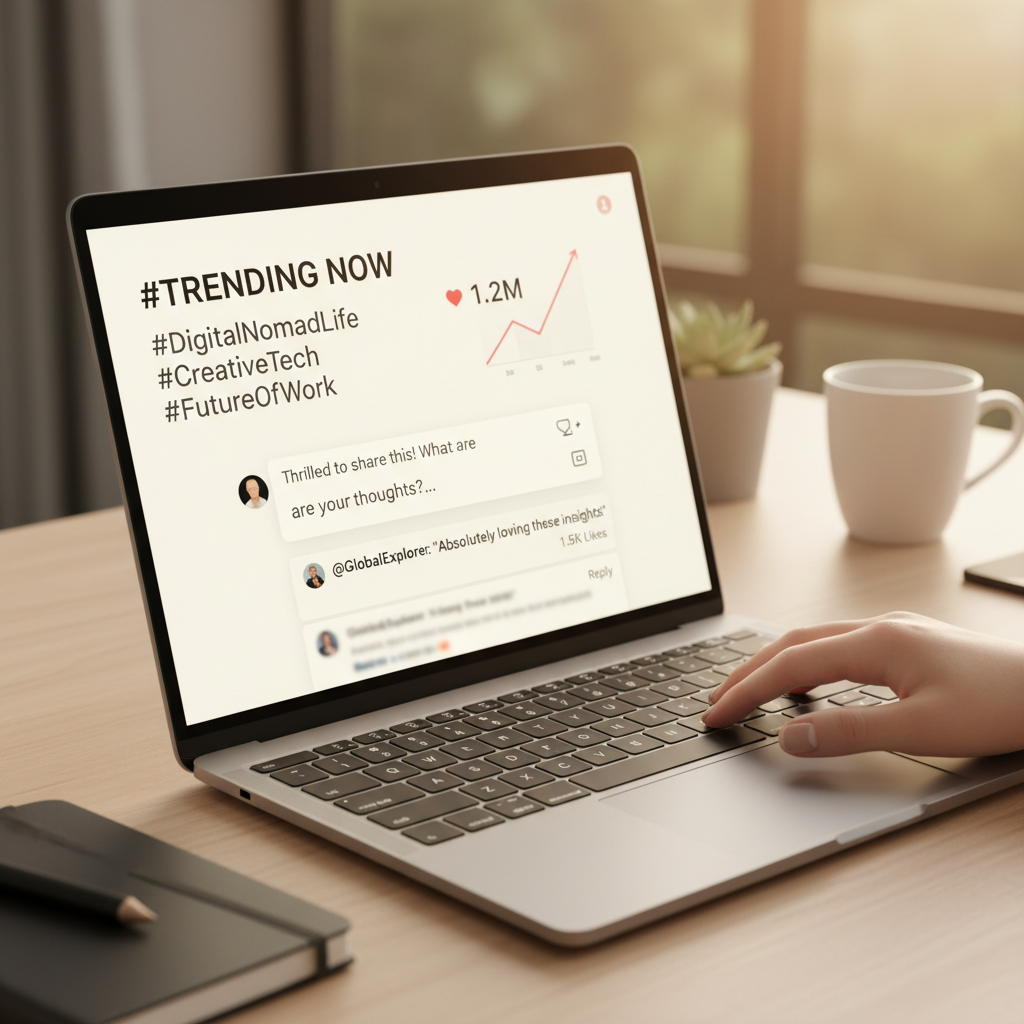
Another key benefit is the potential for virality. When users share their experiences with AR filters on social media, they inadvertently promote the brand to their followers. This organic reach can significantly increase brand visibility and engagement without additional advertising costs.
Case Studies: Successful AR Filter Campaigns
Several brands have successfully harnessed the power of AR filters to boost engagement. For instance, a popular cosmetics brand launched an AR filter that allowed users to virtually try on different shades of lipstick. This not only increased product awareness but also drove online sales as users could visualize the products before purchasing.
Similarly, a beverage company created a filter that transformed users' selfies into branded animations, encouraging them to share their creations. This campaign resulted in a substantial increase in user-generated content, further amplifying the brand's reach and engagement.

Challenges and Considerations
While AR filters offer numerous benefits, they also present certain challenges. Developing high-quality filters requires technical expertise and creativity, which can be resource-intensive. Brands need to ensure that the filters align with their overall marketing goals and resonate with their target audience.
Additionally, it's crucial to consider user experience. Filters should be easy to use and accessible across different devices to maximize reach and engagement. Poorly designed filters can lead to user frustration and negatively impact brand perception.
The Future of AR Filters in Marketing
The potential of AR filters in marketing is vast, with advancements in technology poised to make them even more immersive and interactive. As virtual and augmented reality continue to evolve, brands will have even more opportunities to leverage these tools to create engaging and memorable experiences for their audiences.
In conclusion, AR filters are a powerful tool for enhancing brand engagement. By providing an interactive and shareable experience, they offer brands a unique way to connect with consumers and stand out in a crowded digital marketplace.