From Concept to Click: The Role of UX in Digital Product Design


In the ever-evolving world of digital product design, understanding the intricate role of User Experience (UX) is critical. From the initial concept to that final click, UX shapes the user's journey, ensuring that products are not only functional but also enjoyable to use.
The Importance of UX in Digital Design
UX is the backbone of successful digital products. It focuses on the overall feel of the experience, ensuring that every interaction is intuitive and engaging. This involves extensive research and testing to understand user behaviors and preferences. By prioritizing UX, designers can create products that resonate with users, leading to higher satisfaction and loyalty.

User-Centered Design
At the heart of effective UX is a user-centered design approach. This means placing the user at the forefront of every design decision. By empathizing with users, designers can craft solutions that address real needs. Techniques such as user personas, journey mapping, and usability testing are essential tools in this process.
Incorporating user feedback early and often helps to refine the design, ensuring it aligns with user expectations and enhances the overall experience. This iterative approach fosters innovation and leads to more successful digital products.
The Role of Prototyping
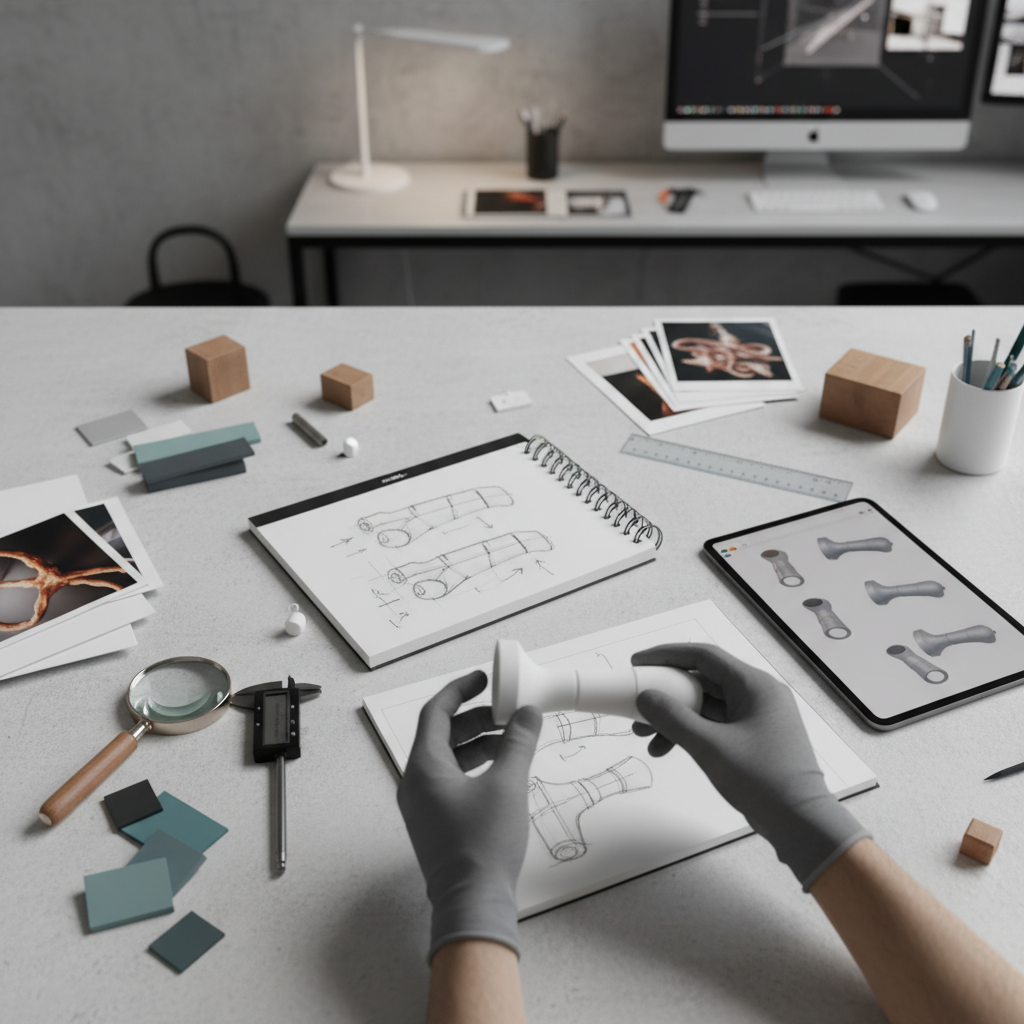
Prototyping is a crucial step in the UX design process. It allows designers to create tangible versions of their ideas, which can be tested and validated before moving to full development. Prototyping helps in identifying potential issues, saving time and resources in the long run.
Interactive Prototypes
Interactive prototypes offer a realistic experience, enabling users to engage with the design as they would with the final product. This interaction provides valuable insights into the product's usability and functionality, helping to refine and perfect the design. By simulating user interactions, designers can address pain points and enhance the user journey.
The Impact of Visual Design
Visual design is not just about aesthetics; it plays a pivotal role in the overall UX. A well-designed interface guides users seamlessly through the product, reducing confusion and frustration. Elements like color schemes, typography, and layout all contribute to the product's usability and appeal.
Consistency and Accessibility
Consistency in design ensures that users have a cohesive experience, regardless of the platform or device. Additionally, accessibility is a key consideration, ensuring that products are usable by everyone, including those with disabilities. By adhering to accessibility standards, designers can reach a broader audience and create inclusive experiences.
In conclusion, the role of UX in digital product design is multifaceted and essential. By focusing on user needs and preferences, employing effective prototyping methods, and prioritizing visual consistency and accessibility, designers can create compelling digital products that not only meet but exceed user expectations.