From Concept to Creation: A Guide to UX Product Design


Understanding UX Product Design
In today's fast-paced digital world, creating a seamless user experience (UX) is more crucial than ever. UX product design is the process of enhancing user satisfaction by improving the usability, accessibility, and pleasure provided in the interaction between the user and the product. From apps to websites, the principles of UX design ensure that products are not only functional but also delightful to use.
Successful UX product design involves a blend of research, creativity, and technical skills. It starts with a concept and evolves into a tangible product that meets user needs and business goals. Whether you're a seasoned designer or just starting out, understanding the journey from concept to creation is essential.
Research and Ideation
The first step in UX product design is thorough research. This involves understanding your target audience, identifying their needs, and analyzing competitors. By conducting surveys, interviews, and usability tests, you can gather valuable insights that will inform your design decisions.
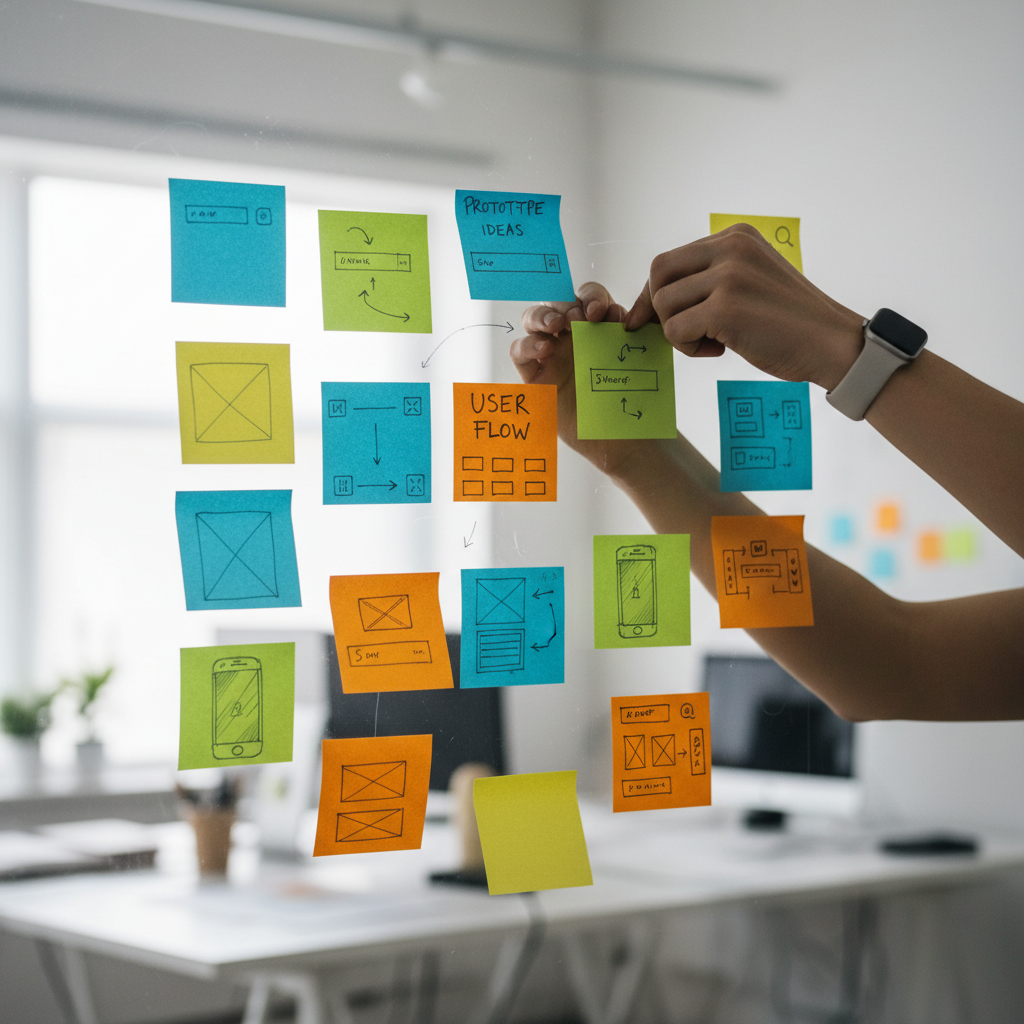
Once you've gathered data, it's time to brainstorm and ideate. This stage is all about creativity and innovation. Sketch out ideas, create mind maps, and collaborate with your team to explore various design possibilities. The goal is to generate a wide range of ideas that can be refined and developed further.
Creating User Personas
User personas are fictional characters that represent the different user types that might use your product. They help designers understand the user’s needs, experiences, behaviors, and goals. By creating detailed personas, you can ensure that your design decisions are user-centered and focused on real-world applications.

Wireframing and Prototyping
With a clear understanding of your users and a set of ideas, the next step is to create wireframes. Wireframes are simple, low-fidelity layouts that outline the structure of your design. They serve as the blueprint for the product, allowing you to organize content and visualize the user journey.
Prototyping takes wireframing a step further by adding interactivity. This stage involves creating clickable models of your design, allowing users to navigate through the product as they would in the final version. Prototypes are crucial for testing functionality and gathering user feedback before moving to the final design.
Usability Testing
Usability testing is a key component of the UX design process. By observing real users interacting with your prototype, you can identify any issues or areas for improvement. This iterative process helps ensure that the product is intuitive and meets user expectations.

Design and Development
After refining your prototype based on feedback, it's time to move into the design and development phase. This involves creating high-fidelity designs and working closely with developers to bring the product to life. Attention to detail is crucial, as even minor changes can impact the overall user experience.
Collaboration between designers and developers is essential to ensure that the final product aligns with the original vision. Regular communication and feedback loops help keep the project on track and ensure a smooth transition from design to development.
Launch and Iterate
Once the product is developed, it's time for launch. However, the design process doesn't end here. Post-launch, it’s important to gather user feedback and continue to iterate. By analyzing user behavior and making necessary adjustments, you can enhance the product and ensure long-term success.
UX product design is a dynamic and ongoing process. By staying user-focused and embracing innovation, you can create products that are not only functional but also a joy to use.