From Concept to Launch: The Journey of Designing a Digital Product


Understanding the Initial Concept
Designing a digital product begins with a solid concept. This stage involves identifying a problem that needs solving and envisioning a product that addresses this issue. It's crucial to conduct market research to understand user needs and preferences. Gathering insights from potential users ensures that the concept is viable and relevant.
During this phase, brainstorming sessions and creative workshops can help in refining the idea. It's essential to document these ideas and create a cohesive vision that can guide the subsequent steps in the journey.

Creating a Prototype
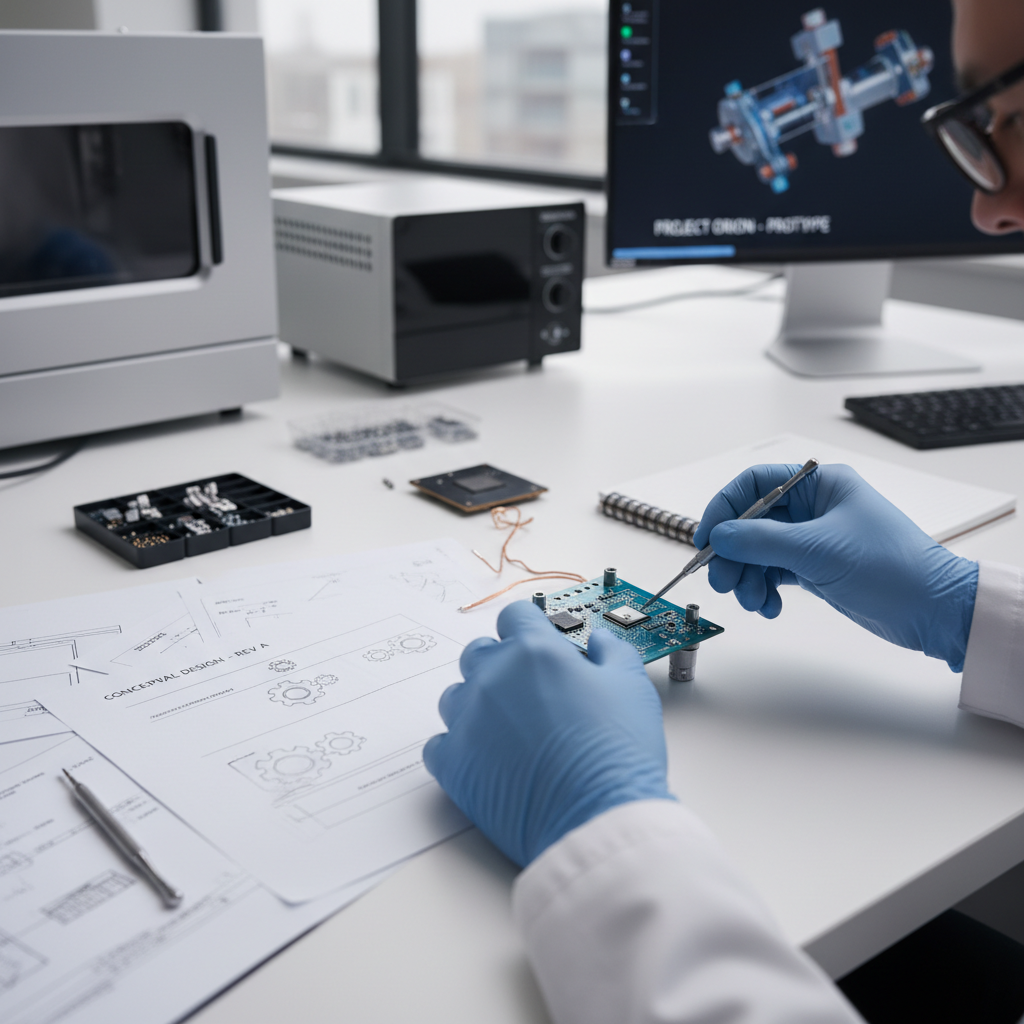
Once the concept is clear, the next step is to create a prototype. This involves translating ideas into a tangible form that stakeholders can interact with. Prototypes can range from simple sketches to interactive digital models. The goal is to test the functionality and usability of the product.
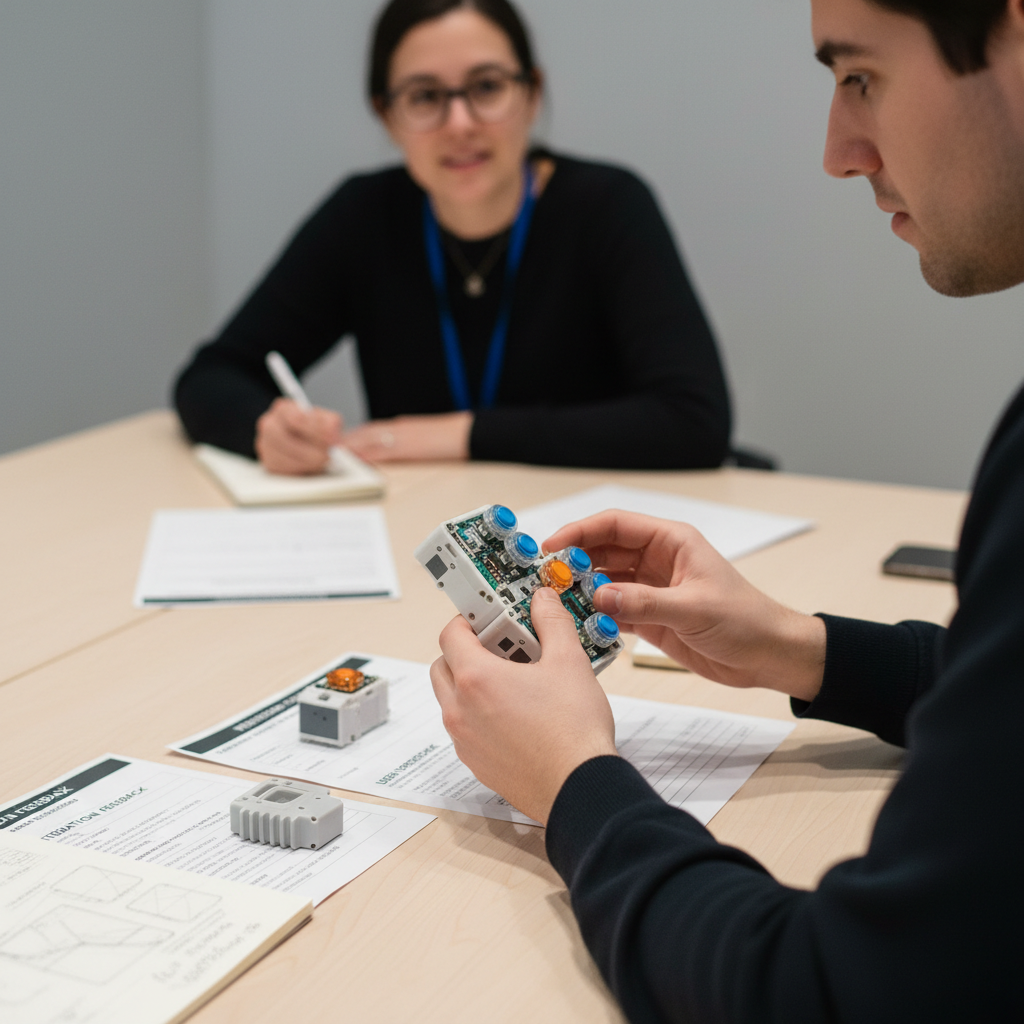
Prototyping is an iterative process. Feedback from users and team members is crucial in refining the design. This phase helps in identifying potential flaws and areas for improvement, ensuring a more polished final product.
Design and Development
After finalizing the prototype, the design and development phase begins. Here, the focus is on creating a user-friendly interface and robust backend systems. Collaboration between designers and developers is essential to ensure that the product is both aesthetically pleasing and functional.
Using agile methodologies can enhance collaboration and productivity. Regular sprints and review sessions help in keeping the project on track and aligning the team's efforts with the overall vision.
Importance of User Experience
One of the key aspects during this phase is ensuring an exceptional user experience. This involves creating intuitive navigation, engaging visuals, and seamless interactions. A positive user experience can significantly impact the product's success.

Testing and Quality Assurance
Before the product launch, thorough testing is imperative. This phase involves identifying and fixing bugs, ensuring compatibility across devices, and verifying that the product meets all requirements. Quality assurance is crucial to maintain the product's integrity and performance.
It's important to conduct both automated and manual testing to cover all aspects of the product. Feedback from beta testers can provide valuable insights into potential improvements and enhancements.
Launch and Beyond
With testing complete, it's time to launch the product. A successful launch requires strategic planning and marketing efforts to reach the target audience. It's essential to create buzz around the product and highlight its unique features.
However, the journey doesn't end at launch. Post-launch, it's vital to monitor user feedback and performance metrics. Continuous updates and improvements ensure that the product remains competitive and relevant in the market.
Future Roadmap
Planning a roadmap for future updates can help in sustaining user interest and engagement. Regularly introducing new features and improvements keeps the product fresh and valuable to users.

In conclusion, designing a digital product is a dynamic journey that involves creativity, collaboration, and continuous improvement. From concept to launch, each step plays a vital role in crafting a successful product that resonates with users.