How to Elevate Your Brand with Augmented Reality Filters


Understanding Augmented Reality Filters
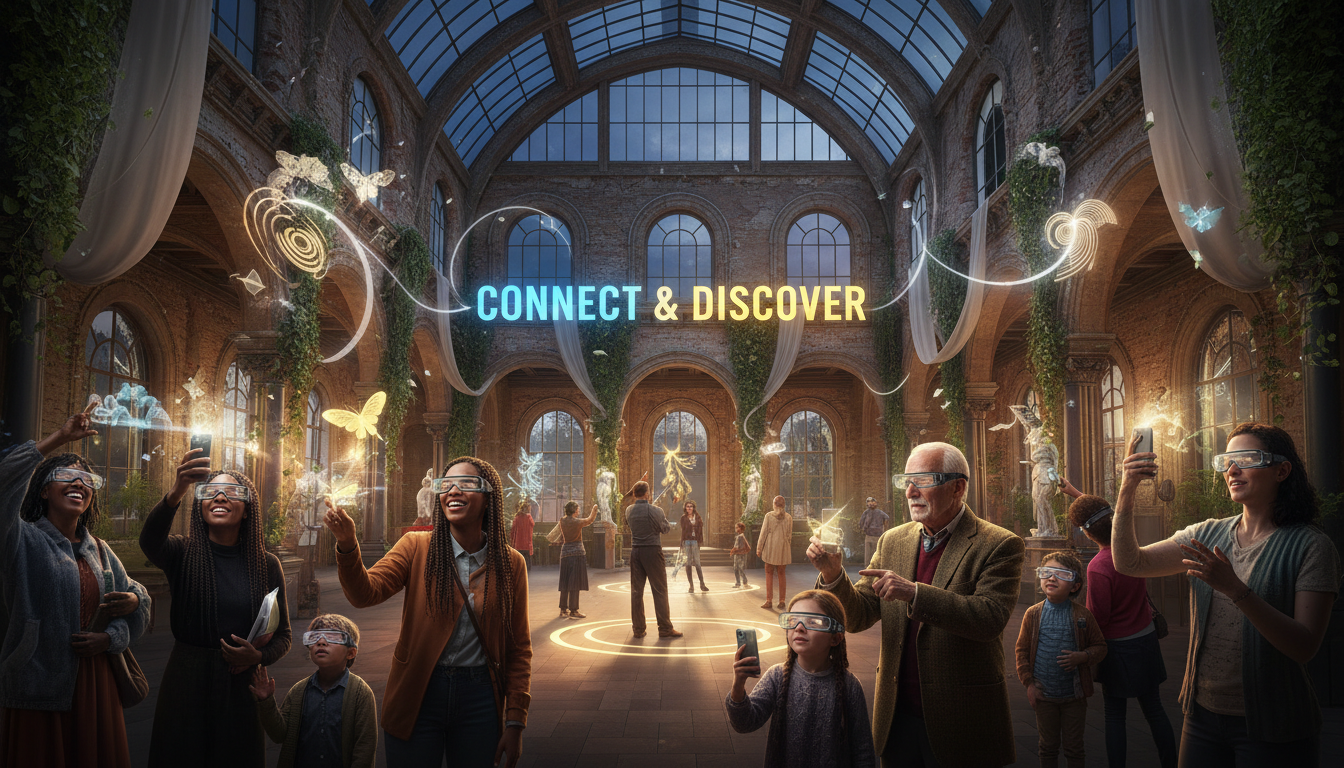
Augmented Reality (AR) filters have become a powerful tool for brands looking to engage with their audience in innovative ways. These filters overlay digital content onto the real world, accessible through smartphones and other devices. By integrating AR filters into your marketing strategy, you can create immersive experiences that resonate with your audience.
Why Use AR Filters for Branding?
AR filters can significantly enhance your brand's visibility and engagement. They offer an interactive way for users to interact with your content, leading to a memorable brand experience. With AR filters, your brand can stand out in a crowded marketplace by offering something unique and engaging.
Moreover, AR filters can increase user engagement. When users find a filter fun and share-worthy, they are more likely to share it with their friends, amplifying your brand's reach. This organic sharing can lead to increased brand awareness and customer loyalty.
Enhancing Customer Experience
AR filters can transform the customer experience by allowing users to visualize products in real-world settings before making a purchase. This can be particularly beneficial for industries like fashion, home decor, and cosmetics, where seeing a product in context can influence buying decisions.

Steps to Create Effective AR Filters
Creating successful AR filters involves a few strategic steps:
- Identify Your Objective: Determine what you want to achieve with your AR filter, whether it's brand awareness, engagement, or sales conversion.
- Understand Your Audience: Research your target audience to understand what kind of AR experience would appeal to them.
- Design with Creativity: Work with designers to create visually appealing and innovative filters that align with your brand identity.
- Test and Launch: Test the filter to ensure it works smoothly and meets user expectations before launching it to the public.
Choosing the Right Platform
To maximize the impact of your AR filters, choose the right platform for your audience. Platforms like Instagram, Snapchat, and Facebook offer robust tools for creating and distributing AR filters. Each platform has its own strengths, so select the one that aligns best with your brand’s goals and audience demographics.
Measuring Success
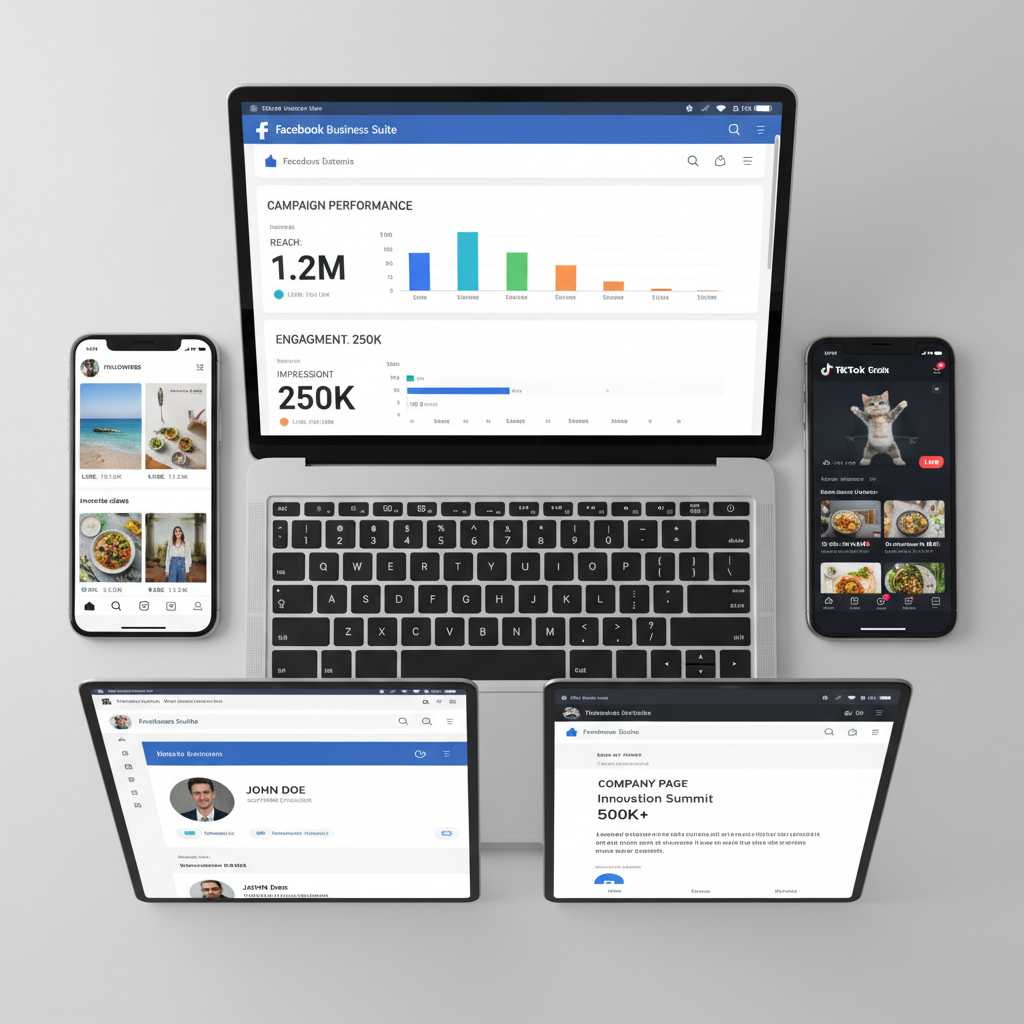
Once your AR filter is live, it's crucial to measure its success. Track metrics such as engagement rates, shares, and time spent using the filter. This data will help you understand how well the filter is performing and where there may be room for improvement.
Use these insights to refine future AR campaigns and continue to evolve your strategy to better meet your audience's needs and expectations.
Future of AR in Branding
The potential of AR in branding is vast and still expanding. As technology evolves, AR filters will become even more sophisticated, offering brands new ways to connect with consumers. Staying ahead of these trends will ensure your brand remains relevant and innovative.
By embracing AR filters, brands can create lasting impressions and foster deeper connections with their audience, paving the way for future success in the digital landscape.