The Future of UX Design: Trends and Innovations to Watch


Introduction to UX Design Trends
The world of User Experience (UX) design is rapidly evolving, driven by technological advancements and changing user expectations. As we look to the future, several trends and innovations are poised to reshape the landscape. Understanding these trends can help designers create more intuitive and engaging user experiences.
Artificial Intelligence and Machine Learning
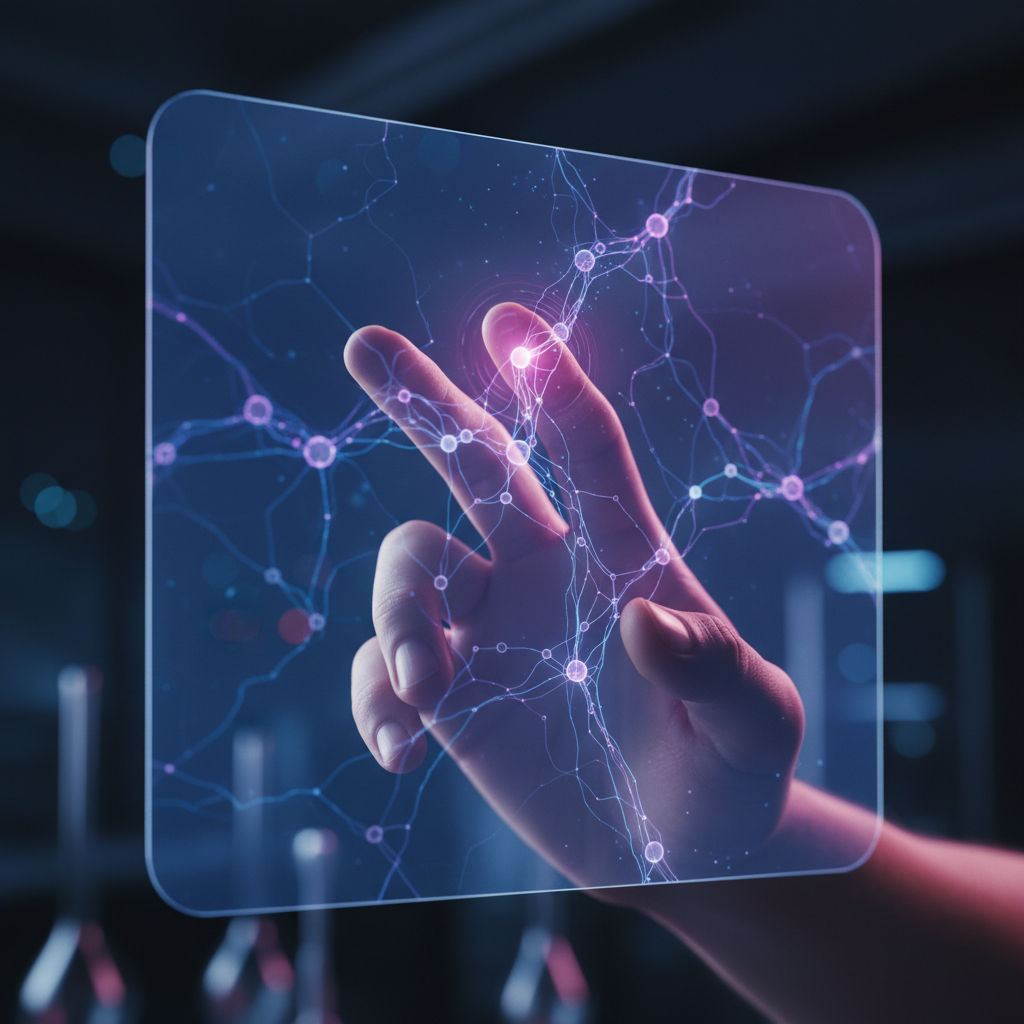
AI and machine learning are becoming integral to UX design. These technologies enable personalized user experiences by analyzing user behavior and preferences. Designers can leverage AI to create adaptive interfaces that respond to individual needs, enhancing user engagement and satisfaction.
Moreover, AI-powered tools can assist designers by automating repetitive tasks, allowing them to focus on more creative aspects of design. This not only improves efficiency but also leads to more innovative solutions.
Voice User Interfaces
With the rise of smart speakers and voice assistants, voice user interfaces (VUIs) are gaining popularity. VUIs offer a hands-free interaction method, providing convenience and accessibility. Designing for voice involves understanding natural language processing and creating intuitive voice commands.
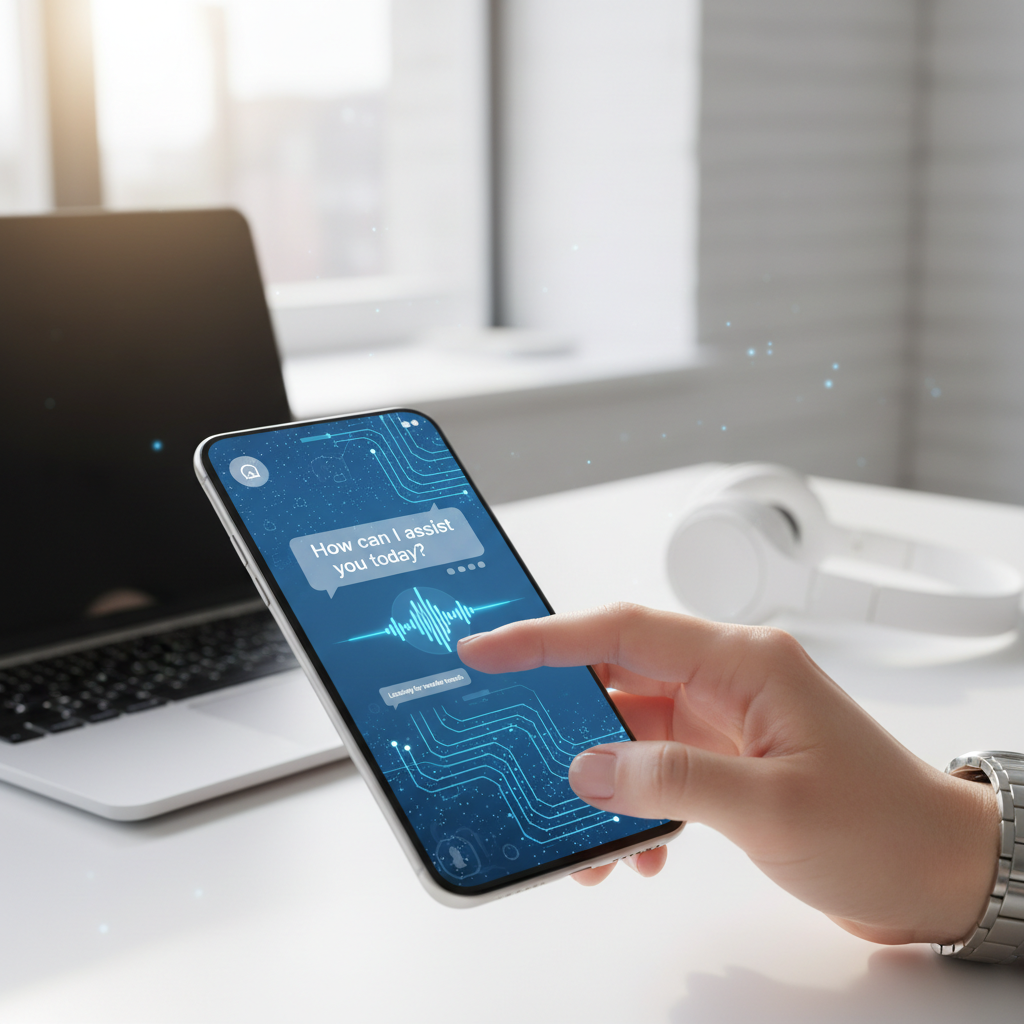
As voice technology advances, we can expect more seamless integration into various applications and devices, making VUIs a crucial component of future UX design strategies.
Augmented Reality and Virtual Reality
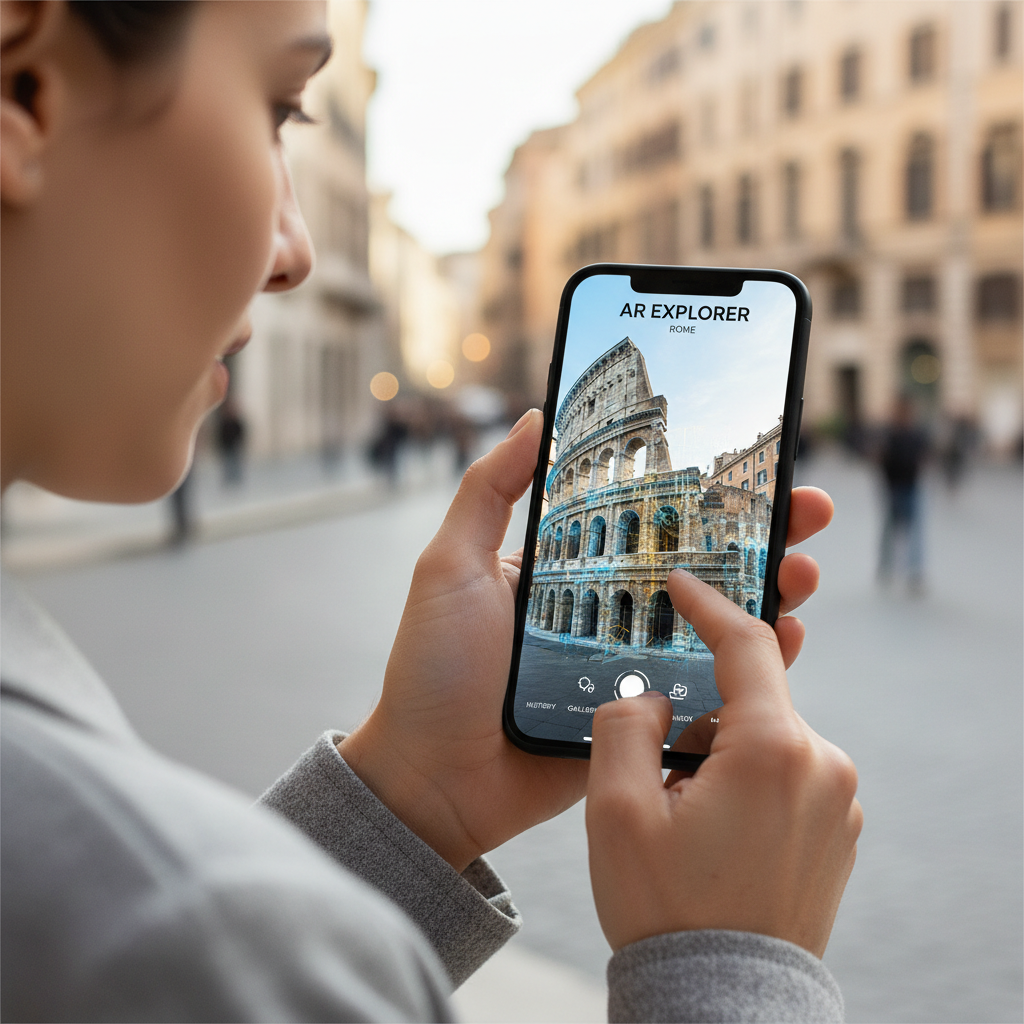
Augmented Reality (AR) and Virtual Reality (VR) continue to push the boundaries of UX design. These technologies offer immersive experiences that can transform how users interact with digital content. From virtual showrooms to interactive training modules, AR and VR provide unique opportunities for engagement.
Designers must consider spatial design principles and user comfort, ensuring that AR and VR experiences are both captivating and user-friendly.
Sustainability in Design
As sustainability becomes a global priority, UX designers are focusing on creating eco-friendly digital products. This involves designing with energy efficiency in mind, optimizing for lower data consumption, and encouraging sustainable user behaviors.
Sustainable design not only benefits the environment but also resonates with environmentally conscious users, enhancing brand loyalty and trust.
Accessibility and Inclusive Design
Inclusive design is more important than ever, as it ensures that digital products are accessible to users of all abilities. By incorporating accessibility features from the outset, designers can create experiences that are usable by everyone, regardless of physical or cognitive abilities.
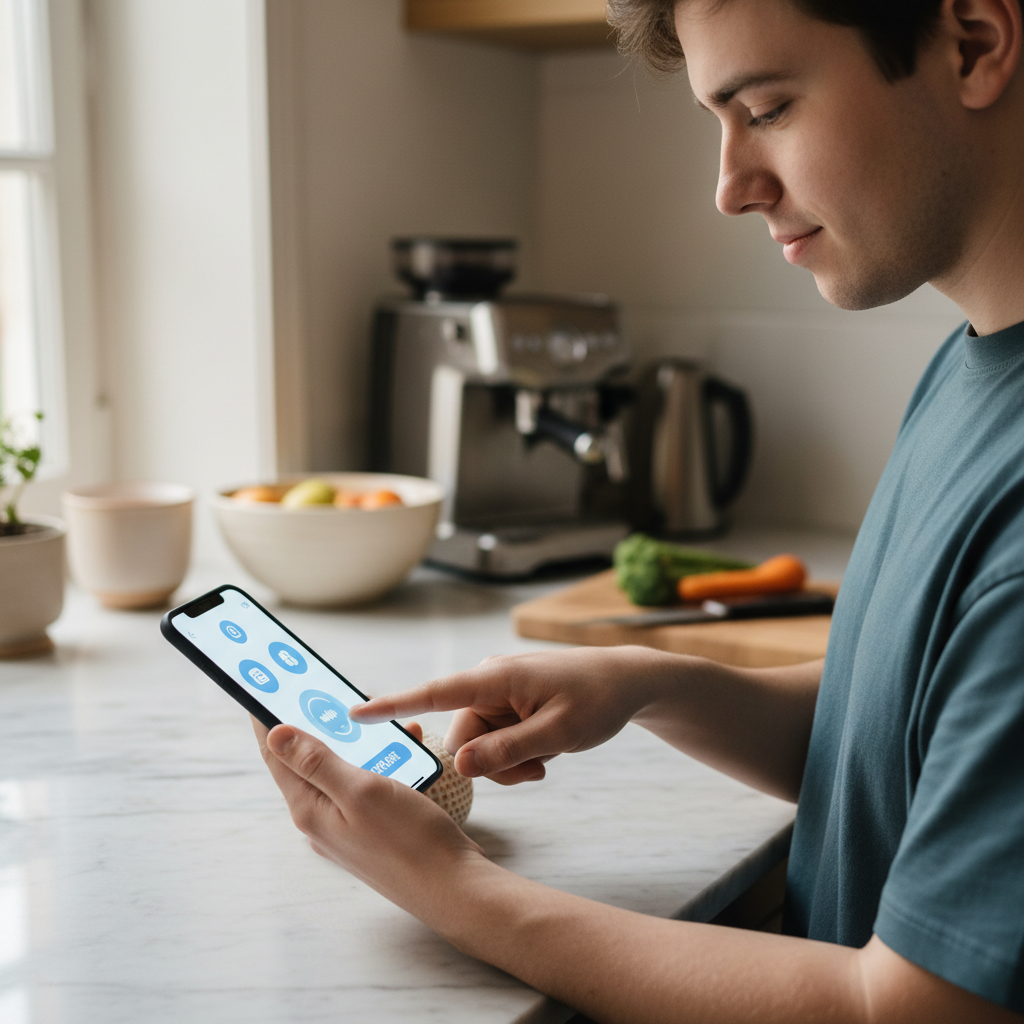
Future trends in accessibility may include enhanced screen readers, improved voice commands, and more customizable interfaces, making digital content more inclusive than ever before.
Conclusion
The future of UX design is bright, with numerous trends and innovations on the horizon. By staying informed and adaptable, designers can create user experiences that are not only functional but also delightful and inclusive. Embracing these trends will ensure that UX design continues to evolve, meeting the needs of diverse users in an ever-changing digital landscape.