The Power of User-Generated Content in Travel and Food Marketing


Introduction to User-Generated Content
In the digital age, consumers are no longer passive recipients of marketing messages. They actively contribute to the narrative by sharing their experiences and opinions. This phenomenon is known as user-generated content (UGC). In the realms of travel and food marketing, UGC has become a powerful tool, driving engagement and building trust among potential customers.

Why User-Generated Content Matters
UGC offers an authentic glimpse into the real experiences of customers. Unlike traditional advertising, which can sometimes feel forced or overly polished, UGC is genuine and relatable. This authenticity enhances credibility, making it easier for potential customers to trust a brand.
Moreover, UGC provides valuable insights into customer preferences and behaviors. Businesses can leverage this information to tailor their offerings and enhance customer satisfaction, creating a cycle of positive feedback and growth.
Boosting Engagement with UGC
Engagement is crucial in both travel and food marketing. UGC encourages interaction by inviting consumers to share their stories and experiences. This can be done through:
- Social media campaigns
- Photo contests
- Hashtag challenges
These strategies not only increase brand visibility but also foster a sense of community among customers, encouraging them to return and engage again.

Building Trust Through Authenticity
In travel and food, authenticity is key. Travelers and foodies alike seek genuine experiences. UGC provides this authenticity by showcasing real-life experiences, often through photos, reviews, and testimonials.
By displaying user-generated reviews and photos on websites or social media, businesses can create a transparent and trustworthy image. This transparency is especially important in the travel industry, where potential customers often rely on the experiences of others to make decisions.
Encouraging User-Generated Content
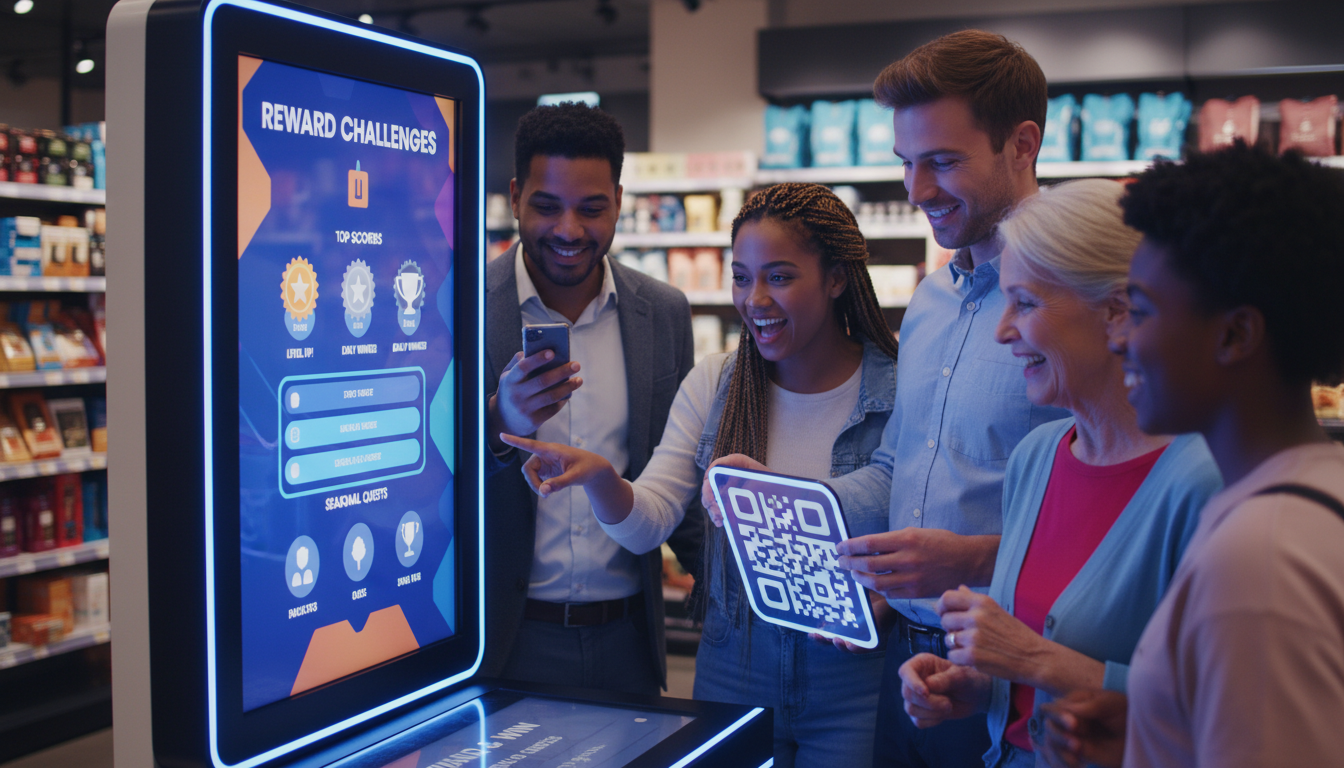
Encouraging customers to generate content can be achieved through incentives and recognition. For example, offering discounts or featuring customer stories on a brand’s website can motivate users to share their experiences.
Additionally, engaging with users by responding to their content or sharing it on official platforms can strengthen relationships and encourage further interaction.
Measuring the Impact of UGC
To fully leverage UGC, it’s essential to measure its impact. Businesses can track engagement metrics such as likes, shares, and comments to assess the effectiveness of their UGC campaigns. Surveys and feedback forms can also provide insights into customer satisfaction and areas for improvement.
By analyzing these metrics, businesses can refine their strategies and maximize the benefits of UGC in their marketing efforts.
Conclusion: Harnessing the Power of UGC
User-generated content is a dynamic and influential tool in travel and food marketing. By fostering authenticity and engagement, it helps build trust and strengthen brand-customer relationships. As the digital landscape continues to evolve, embracing UGC will remain vital for businesses seeking to connect with their audiences in meaningful ways.