Understanding the Power of AR Filters: Engaging Audiences in New Ways


Introduction to AR Filters
Augmented Reality (AR) filters have quickly become a captivating tool in the digital marketing landscape. By overlaying digital content onto the real world, AR filters offer interactive experiences that engage users in innovative ways. From social media platforms to e-commerce websites, businesses across various industries are harnessing the power of AR to connect with their audiences.
Understanding how AR filters work and their potential can help brands create more engaging and memorable interactions. This article explores the dynamics of AR filters and how they are revolutionizing audience engagement.

The Mechanics Behind AR Filters
AR filters function by using a camera to detect and track real-world objects or environments and overlaying them with digital elements. This technology can identify facial features, objects, and even entire scenes, allowing for a seamless blend of reality and digital enhancement.
When a user interacts with an AR filter, they can modify their appearance, alter their surroundings, or interact with virtual objects. This interactive element is what makes AR filters particularly appealing and engaging.
Tools and Platforms
Several platforms offer tools for creating AR filters, including Snapchat’s Lens Studio and Instagram’s Spark AR. These tools allow creators to design and deploy custom filters that can be shared with millions of users worldwide. Such accessibility makes it easier for brands to leverage AR for marketing purposes.
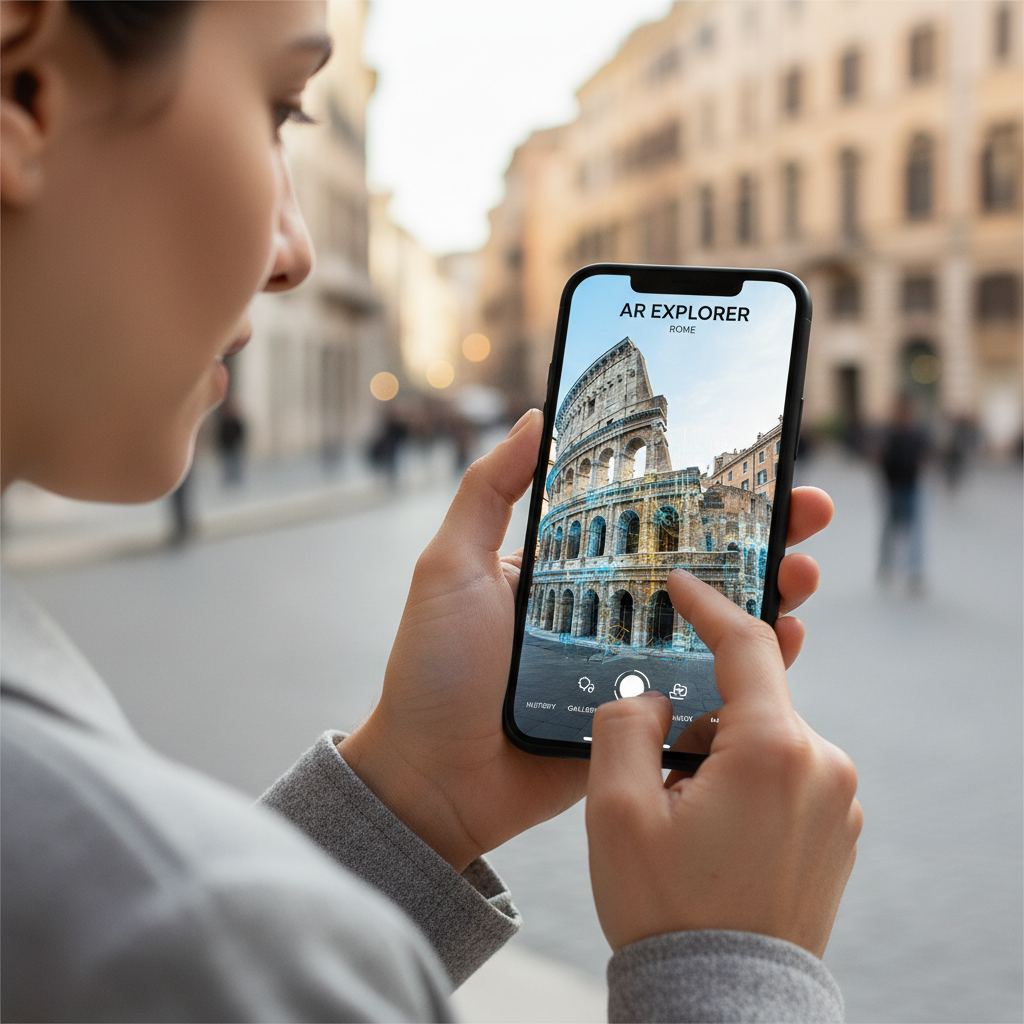
Enhancing User Engagement
AR filters provide a unique way to capture user attention and foster engagement. By offering a personalized and interactive experience, brands can create deeper connections with their audiences. Here are some ways AR filters enhance engagement:
- Personalization: Users can see themselves or their environment altered in real-time, creating a personal connection with the content.
- Interactivity: AR filters encourage users to interact, play, and share, increasing the time spent with the brand.
- Shareability: The fun and novelty of AR filters often lead to users sharing their experiences on social media, amplifying brand reach.
Case Studies of Success
Several brands have successfully implemented AR filters to engage audiences. For instance, beauty brands use AR to let users try on makeup virtually, while fashion retailers allow users to see how clothing items would look on them in a digital fitting room.

The Future of AR Filters
The future of AR filters is bright, with advancements in technology promising even more immersive and sophisticated experiences. As AR becomes more integrated with AI and machine learning, filters will offer more personalized and contextually relevant experiences.
Brands that embrace these innovations early will likely set themselves apart as leaders in digital engagement, offering unique and memorable experiences that resonate with modern consumers.
Conclusion
AR filters are more than just a trend; they are a powerful tool for engaging audiences in new and exciting ways. By understanding the technology and its potential, businesses can create impactful marketing strategies that not only capture attention but also foster meaningful interactions.
As technology continues to evolve, the possibilities for AR filters will expand, offering even more opportunities for brands to connect with their audiences in innovative ways.